When people think about commercial architecture, they often focus on a building's appearance. While aesthetics play an important role, successful commercial architecture is about much more than creating an attractive structure. A well-designed commercial space improves business operations, enhances user experience, reflects a company's identity, and delivers long-term value.
Whether it is a corporate office, hotel, retail showroom, healthcare facility, educational campus, or mixed-use development, every commercial project comes with unique operational, technical, and functional requirements. This is why businesses seek experienced commercial architects in India who can combine innovative design with practical planning to create spaces that are efficient, adaptable, and built for future growth.
Commercial Architecture Is About Solving Business Challenges
Every successful commercial project begins with understanding how the building will support the people, processes, and business goals it is designed for. An office should encourage collaboration and productivity, a hotel should ensure seamless guest experiences and efficient operations, while a retail space should create an engaging environment that enhances customer interaction.
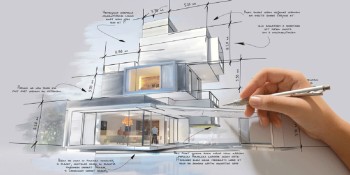
Before developing a design, experienced architects carefully evaluate business operations, user movement, site conditions, statutory regulations, budgets, timelines, maintenance requirements, sustainability opportunities, and future expansion possibilities. Balancing these factors from the beginning helps minimise costly design revisions, reduces construction delays, and improves the building's long-term performance.
Careful planning through feasibility studies, site analysis, budgeting, and space planning creates a strong foundation for a successful project while helping businesses avoid unexpected challenges during execution.
Why Architecture and Interior Design Should Be Planned Together
Architecture and interior design achieve the best results when they are developed as one integrated process. Treating them as separate stages often leads to design compromises, coordination issues, additional costs, and reduced functionality.
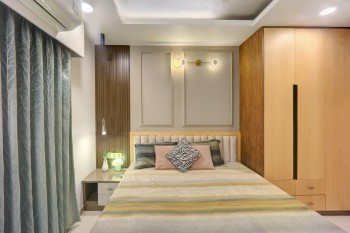
Experienced architects and luxury interior designers collaborate from the earliest planning stages to ensure that every design decision supports both functionality and aesthetics. From circulation planning and lighting design to furniture layouts, material selection, acoustics, and finishes, every element contributes to creating spaces that are comfortable, efficient, visually cohesive, and aligned with the brand's identity.
An integrated design approach also improves communication between consultants, reduces execution challenges, and ensures smoother project delivery.
Luxury Today Means Thoughtful Design
Modern luxury is no longer defined by expensive finishes alone. Instead, it is measured by thoughtful planning, functionality, user comfort, sustainability, and timeless design.
Natural lighting, quality materials, flexible layouts, energy-efficient systems, and carefully considered detailing create commercial environments that remain relevant and valuable for years. Since commercial buildings are long-term investments, every design decision should support operational efficiency, adaptability, and future business needs.
What to Look for Before Hiring Commercial Architects
Choosing the right architectural partner is one of the most important decisions in any commercial project. Beyond an impressive portfolio, businesses should look for a team that understands their industry, technical requirements, project timelines, and long-term objectives.
Experience Across Multiple Sectors
Commercial architecture spans offices, hospitality, healthcare, education, retail, industrial, and mixed-use developments. Architects with experience across diverse project types are better equipped to develop practical and innovative solutions for different business environments.
Integrated Design Services
Projects progress more efficiently when architecture, interior design, landscape planning, technical coordination, and project management are handled through an integrated approach. Better collaboration improves communication, minimises delays, and creates a smoother execution process.
Transparent Design Process
Professional architectural firms maintain clear communication throughout every stage of the project, from concept development and planning to budgeting, approvals, execution, and final handover. Transparency helps clients make informed decisions while keeping projects on schedule.
Focus on Long-Term Value
Well-planned commercial architecture goes beyond immediate construction. It improves operational efficiency, reduces maintenance costs, supports future expansion, enhances sustainability, and continues delivering value throughout the building's lifecycle.
The Importance of Collaborative Design
Successful commercial projects rely on strong collaboration between architects, interior designers, structural engineers, MEP consultants, contractors, project managers, and clients. Early coordination helps identify potential challenges before construction begins, resulting in better design quality, fewer site changes, improved cost control, and more efficient project execution.
How Artifex Design Studio Approaches Commercial Projects
At Artifex Design Studio, every commercial project begins with understanding the client's business objectives, operational requirements, and the people who will use the space every day. Rather than following a standard design formula, the team develops customised solutions that balance functionality, aesthetics, technical precision, and long-term performance.
From architecture, interior design, planning, and technical coordination to execution support, Artifex Design Studio delivers an integrated approach across commercial, hospitality, retail, residential, institutional, and mixed-use projects. Every stage is carefully coordinated to ensure the final outcome reflects the client's vision while meeting functional, operational, and business goals.
Conclusion
The most successful commercial buildings are remembered not only for their appearance but for how effectively they support the businesses and people who use them every day.
Investing in experienced commercial architects and interior designers is an investment in operational efficiency, user experience, sustainability, and long-term business growth. When architecture, interior design, and strategic planning come together from the beginning, businesses create spaces that remain functional, adaptable, and valuable for years to come.
If you are planning a commercial project, partnering with an experienced architectural and interior design team can help transform your vision into a thoughtfully designed space that supports your business today and well into the future.